

In a world increasingly dominated by automation, algorithms, and digital interfaces, a profound shift is taking place in how we view work, value, and personal fulfillment. While many desk-bound professionals grapple with the intangible nature of their daily output, a vibrant movement of skilled artisans and tradespeople is quietly thriving. These professionals occupy a unique and deeply satisfying intersection: the space where rugged practicality meets refined aesthetic expression.
The traditional division between physical labor and artistic talent is dissolving. Today’s high-skill trades demand both technical precision and a sophisticated visual sensibility. Whether shaping timber, restoring historical artifacts, designing residential spaces, or orchestrating unforgettable personal experiences, these careers demonstrate that utility and beauty are not mutually exclusive. They represent a sustainable, deeply engaging path forward for individuals seeking tangible, high-value work.
Here is an in-depth look at ten in-demand vocations where technical mastery and creative vision merge to build, preserve, and enrich the physical world around us.
Transformative Residential Architecture from the Ground Up
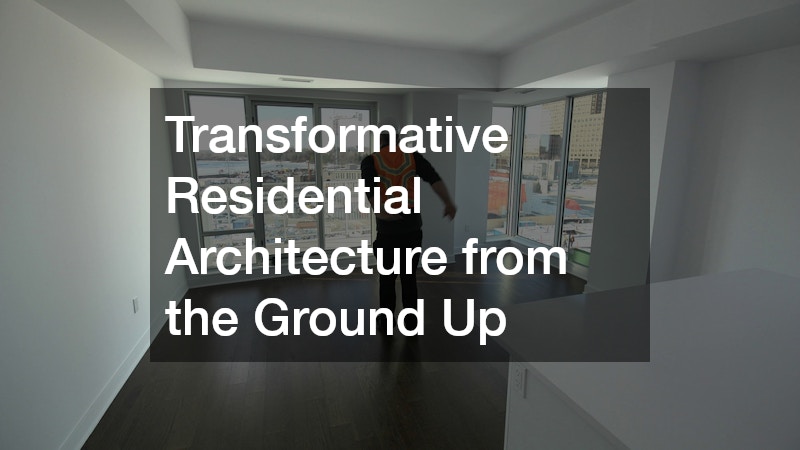
The modern home is no longer viewed merely as a set of functional rooms; it is treated as a personalized sanctuary and a canvas for self-expression. Transforming raw structural space into a harmonious living area requires an exceptional balance of structural knowledge, building codes, and interior aesthetics.
Consider the complexity of taking an underutilized, subterranean level of a home and turning it into a luxurious living suite, home theater, or functional apartment. This process demands specialized knowledge of waterproofing, load-bearing assessment, ventilation, and lighting placement. When homeowners consult experienced basement conversion contractors, they are seeking more than just additional square footage. They are looking for experts who can evaluate ambient light, manage spatial flow, and select materials that elevate a formerly cold space into a warm, inviting environment. The result is a seamless fusion of heavy structural engineering and high-end residential interior design.
Similarly, the heart of the home relies on tailored spatial design. A modern kitchen designer must navigate strict spatial ergonomics, plumbing, and electrical requirements while simultaneously managing color palettes, cabinetry profiles, and surface textures. Every layout decision affects both the daily routine of a family and the visual impact of the home. Balancing durable, hygienic surfaces with elegant cabinetry and custom lighting demonstrates how mathematical spatial planning directly serves daily living aesthetics.
Reclaiming Space Through Custom Timberwork and Structural Artistry
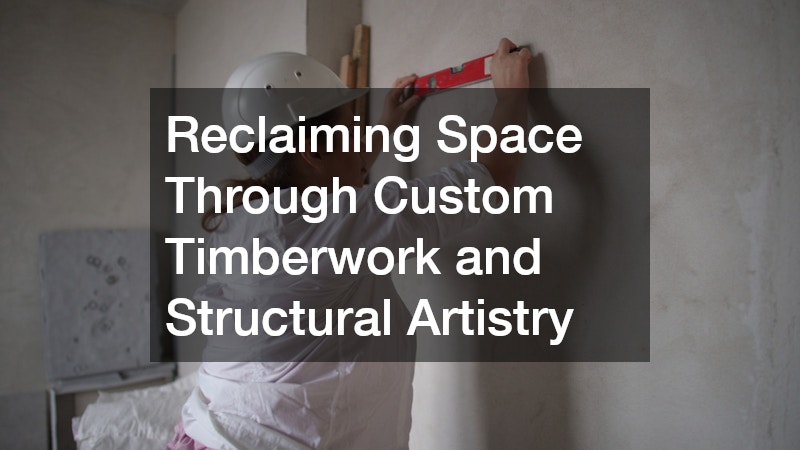
Beyond simple framing, custom carpentry brings a soulful, sculptural element to structural engineering. Heavy timber construction, an ancient technique enjoying a massive modern resurgence, showcases structural skeleton elements as the defining aesthetic feature of a building. Rather than hiding support systems behind layers of drywall and insulation, this approach celebrates raw materials, inviting occupants to witness the underlying strength and craftsmanship that holds a structure together. It is an art form that honors natural timber, marrying centuries-old traditions with modern building performance.
Engaging a skilled local timber frame contractor allows property owners to create soaring spaces supported by heavy, visible wooden beams joined through traditional mortise and tenon techniques. This trade demands rigorous mathematical precision: every angle, cut, and load calculation must be exact to ensure structural integrity. Master carpenters meticulously hand-craft wooden pegs, fitted joints, and load-bearing trusses that fit together like a massive three-dimensional puzzle. The finished structure is universally recognized as a masterpiece of natural architecture. The warm grain of the wood, the exposed joinery, and the grand scale convert structural necessity into stunning visual art, offering a sensory experience that synthetic building materials simply cannot replicate.
The application of structural craft extends to outdoor and commercial settings as well. When communities or families search for a beautiful local wedding venue, they are often drawn to properties that utilize custom timber pavilions, rustic barns, or thoughtfully built outdoor structures. The atmosphere of these celebratory spaces relies heavily on the physical structures that anchor them. Building a venue that offers both weather-resistant practicality and a romantic, picture-perfect backdrop requires tradespeople who understand how architecture influences human emotion and spatial movement. By thoughtfully positioning posts, rafters, and open arches, these builders create gathering places that frame natural landscapes and foster connection. Ultimately, timber framing transforms function into feeling, crafting spaces that host life’s most meaningful moments while standing strong against the elements for generations.
Fine Detail Surface Design and Environmental Color

Surface application is often misunderstood as simple maintenance, but at a high level, it becomes an intricate study in material science, light behavior, and visual harmony. The surfaces that surround us every day shape our mood, influence our psychological well-being, and define our environment. From the subtle sheen of a living room wall to the intricate pattern underfoot, these physical boundary lines dictate how space is experienced, transformed, and appreciated over time.
Applying paint to an interior space requires far more than rolling color onto drywall. Professional interior painting companies must possess deep expertise in surface preparation, substrate compatibility, and coating durability. They evaluate moisture levels, patch imperceptible flaws, and select specialized primers to guarantee pristine adhesion. Beyond technical execution, color theory plays a vital role in their work. A skilled painter understands how natural light shifts throughout the day, how different paint finishes reflect or absorb light, and how custom wall treatments, such as limewash, decorative glazing, or textured plaster, can completely alter the perceived dimension of a room. The interplay between pigment saturation and room orientation can turn a cold, clinical space into a warm, inviting sanctuary. This trade bridges physical labor with environmental visual design, turning blank walls into nuanced backdrop canvases that elevate everyday living.
Below our feet, textile care and floor styling complete the interior ecosystem, offering grounded elegance and tactile comfort. Specialized area rug services represent a niche trade where technical textile knowledge meets historic and modern design appreciation. Professionals in this space must identify natural fibers, weave structures, and dye compositions to provide proper cleaning, repair, and restoration. Revitalizing a hand-knotted Persian rug or repairing custom structural binding requires delicate handwork, an eye for color matching, and a respect for textile artistry. Understanding how specific wools react to moisture, or how organic dyes withstand sunlight, allows these artisans to extend the life of treasured heirlooms. It is a trade that preserves comfort, acoustics, and visual warmth within the home, ensuring that floor-level design remains both functional and enduring.
Preservation, Memory, and Material Longevity
Some of the most profound trades are those dedicated to honoring history, preserving heritage, and creating lasting physical markers for future generations. These fields demand a patient, methodical hand and a deep reverence for materials that stand the test of time. Rather than chasing fleeting modern trends, practitioners in these disciplines commit themselves to longevity, ensuring that the stories, art, and memories of the past remain intact to inform and inspire the future.
The field of art restoration sits precisely at the boundary of empirical science and creative intuition. Restorers must understand chemical solvents, paint chemistry, and structural degradation while possessing the fine artistic talent required to seamlessly retouch damaged masterpieces. Whether repairing a cracked oil painting, stabilizing a centuries-old sculpture, or preserving delicate historic plasterwork, these specialists must match the exact hand, stroke, and pigment of the original artist. Every decision requires painstaking deliberation; a single misstep can permanently obscure an artist’s original vision. Beyond pure aesthetics, restorers often rely on advanced imaging techniques, such as infrared reflectography and X-ray analysis, to examine underdrawings and assess internal structural decay without causing harm. It is a quiet, highly disciplined vocation that safeguards our collective cultural memory through technical rigor and profound historical empathy.
On a more personal scale, the work performed by a dedicated headstone company combines traditional stone carving with deeply meaningful graphic design. Working with granite, marble, and bronze, these craftsmen construct monuments built to endure elements for centuries. The process involves precise layout design, typography, structural installation standards, and intricate sandblasting or hand-chiseling techniques. Every slab of stone presents unique natural characteristics—variations in grain, density, and color—that require tailored handling during the cutting and engraving phases. Beyond the physical labor, there is a profound emotional component to the work. Balancing physical material durability with sensitive, personalized artistic expression allows these tradespeople to provide grieving families with a lasting, tangible tribute. By transforming raw, unyielding stone into sacred spaces of remembrance, these artisans bridge the gap between human mortality and enduring memory.
Bespoke Hospitality and Personal Grooming Aesthetics
Artistry and utility are not confined to static structures or enduring monuments; they also flourish in transient, experiential trades that elevate everyday life and special events. These vocations demand quick execution, rapid adaptation, and consistent attention to detail. Unlike stone carving or heavy timber construction, where works are built to endure for decades or centuries, these fleeting disciplines exist within brief moments in time. Yet, their impact is no less profound. Professionals working in these fields must blend flawless technical execution with artistic flair, capturing the imagination of their audience before the moment disappears entirely into memory.
Consider the complex operation of running a successful corporate catering company. On the surface, catering satisfies a practical need: feeding large groups of people during business events, galas, and conferences. However, high-end catering operates as a multi-sensory performance art. Culinary professionals must balance precise kitchen logistics, dietary compliance, and food safety with exquisite visual presentation, menu design, and spatial layout. Preparing high-volume cuisine while maintaining peak temperature, freshness, and artful composition requires synchronized teamwork under strict time constraints. Chefs must anticipate how flavors interact with sight and aroma, designing plates and buffet tables that tell a cohesive aesthetic story. Translating culinary skill into beautifully arranged, scalable displays requires a keen eye for color, texture, and presentation, proving that practical food service can be an elevated form of temporary art.
On an individual level, modern personal care trades have evolved into specialized forms of fine, tactile design. A talented nail tech operates at the microscopic level, applying rigorous hygiene protocols, chemical bonding knowledge, and structural nail reinforcement alongside intricate miniature painting. From custom hand-drawn nail art to precise structural sculpturing, this trade requires steady hands, sharp attention to detail, and a deep understanding of current visual trends. Technicians carefully evaluate natural nail health, selecting appropriate acrylics, gels, or polishes that preserve structural integrity while executing complex geometry and color gradients on a tiny canvas. Furthermore, the intimate nature of the service requires strong interpersonal intuition, allowing artisans to translate a client’s vague aesthetic preferences into a bespoke physical creation. It is an accessible, highly personalized creative service that brings custom design directly to the client’s fingertips.
The Cultural and Economic Value of Hands-On Expertise

The growing appreciation for these hybrid careers highlights a broader cultural realization: physical skill combined with creative judgment is irreplaceable. As digital tools continue to streamline routine cognitive tasks, manual trades that require real-world problem-solving, tactile dexterity, and artistic taste remain highly secure, lucrative, and rewarding.
Choosing a trade that balances utility and design offers a level of tangible job satisfaction that is rarely matched in office settings, as working directly with physical materials allows craftsmen to see the immediate result of their labor. Furthermore, these high-skilled, specialized trades offer strong economic resilience because they cannot be easily offshored or automated, relying instead on localized, real-time problem-solving. Many skilled tradespeople also go on to achieve significant creative autonomy by starting their own businesses, giving them full control over their projects and artistic direction while engaging in continuous mastery through the unique spatial and aesthetic challenges each new job presents.
Embracing the Master Craftsman Mindset
The false dichotomy between working with your hands and working with your mind has officially faded. The most sought-after professionals across modern industries are those who can seamlessly integrate both.
Whether it is a structural contractor calculating loads for a timber frame, a restorer preserving a damaged canvas, or a spatial designer reconfiguring a domestic interior, the synthesis of practical utility and aesthetic expression creates enduring value. As society continues to seek out authentic, durable, and beautifully crafted physical experiences, the demand for creative tradespeople will only grow.
Investing in a high-skill trade is not merely choosing a job; it is committing to a craft. By mastering the physical properties of materials and cultivating a refined creative vision, today’s artisans are shaping the built environment, preserving our history, and enriching our daily lives—one project at a time.
