
Planning an outdoor event feels straightforward until the budget starts creeping past what you originally quoted yourself. Between permits, rentals, cleanup, and unexpected site issues, first-time organizers often discover that the sticker price of a venue or vendor package is only a fraction of the real cost. Understanding where these hidden expenses typically hide can save you from scrambling for extra cash a week before your event. This guide walks through the most commonly overlooked line items so you can budget with confidence from day one.
Site Flooring and Ground Protection Expenses
Many first-time organizers assume a grassy field or gravel lot is ready to host guests, vendors, and heavy equipment without any extra preparation. In reality, uneven terrain, mud, and soft ground can create safety hazards and damage expensive equipment if you do not lay down proper flooring or pathways. Temporary flooring systems, including composite metal decking, are increasingly used at outdoor festivals and fairs because they distribute weight evenly and hold up under forklifts, generators, and foot traffic. Renting this kind of flooring is an added cost that rarely shows up in early budget estimates, yet skipping it can lead to far more expensive problems like stuck vehicles or injury claims.
Ground protection also matters for accessibility compliance, since uneven or muddy paths can make it difficult for guests with mobility devices to move through the venue. Smart organizers walk the site weeks in advance to identify low spots, drainage issues, and high-traffic zones that will need reinforcement. Factoring this into your initial budget, rather than treating it as an afterthought, keeps surprises to a minimum.
Temporary Structures and Shelter Rentals
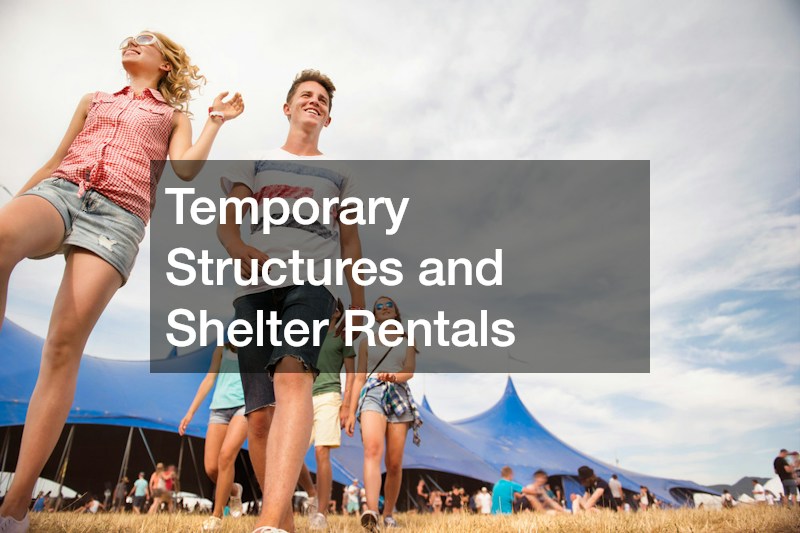
Weather is one of the biggest wild cards at any outdoor gathering, and first-time planners often underestimate how much shelter actually costs once you add walls, flooring, and climate control. Simple pop-up canopies work fine for small backyard parties, but larger events often require sturdier options that can handle wind and rain without collapsing. Coverall buildings have become a popular choice for vendor booths, storage, and even staging areas because they offer a fully enclosed, weatherproof structure that can be assembled and disassembled relatively quickly.
These semi-permanent structures are not cheap to rent, and pricing usually depends on size, duration, and delivery distance. Organizers also need to budget for the labor involved in setup and teardown, which is sometimes billed separately from the rental fee itself. Getting a detailed quote early, rather than a rough estimate, helps avoid a last-minute scramble to cover the difference.
Waste Management and Site Cleanup
Trash accumulates fast at outdoor events, and many organizers badly underestimate how much waste a few hundred guests can generate over a single afternoon. Local waste haulers and municipal pickup services are rarely designed to handle the volume or timing of a one-day event, which is why most venues require a dedicated solution. A dumpster rental sized appropriately for your expected crowd is one of the most practical ways to keep the grounds clean and avoid fines from the property owner or local government.
Pricing for waste services depends on container size, rental duration, and how quickly the hauler can pick up once the event ends. Organizers should also think about recycling stations and food waste separately, since mixing everything into one container can trigger extra sorting fees. Building this cost into your plan early prevents the unpleasant surprise of overflowing bins and last-minute emergency pickups.
Restroom Facilities Beyond Basic Portables
Standard portable toilets might be fine for a small community gathering, but many organizers find that guests expect something more comfortable for weddings, corporate events, or ticketed festivals. A luxury restroom trailer rental offers climate control, running water, and private stalls, which significantly improves the guest experience compared to a row of plastic units. These trailers cost considerably more than basic portables, and that price difference often catches first-time planners off guard when they get their first vendor quote.
Beyond the rental fee itself, organizers need to budget for generator power if the trailer requires electricity, along with water hookups and a service technician to restock supplies during longer events. Placement also matters, since these trailers need a level surface and clear access for delivery trucks. Planning restroom logistics early, rather than treating it as a last-minute add-on, helps keep both guests and budgets happy.
Liability Coverage and Legal Protections
Outdoor events carry inherent risks, from slip and fall accidents to incidents involving vehicles in parking areas, and most venues require organizers to carry liability insurance before they will even sign a contract. First-time planners often skip researching this requirement until a venue manager brings it up, at which point the cost of a policy feels like an unwelcome surprise. It is worth understanding what your policy actually covers, because gaps in coverage can leave you personally responsible for medical bills or property damage claims.
If an incident does occur on site, having contact information for personal injury lawyers on hand, or at least understanding how claims typically get resolved, can help you respond appropriately instead of panicking. Separately, events with parking lots or shuttle services should also consider the possibility of traffic incidents nearby, which is where a car accident attorney might eventually get involved if a guest is hurt coming or going. These are not pleasant topics to think about during the planning phase, but understanding the legal landscape ahead of time is far cheaper than learning about it after something goes wrong.
Permits, Inspections, and Municipal Fees
Every city and county has its own rules about noise levels, occupancy limits, and food service, and the permit fees attached to these rules add up quickly for anyone unfamiliar with the process. A special event permit alone can run anywhere from $200 to $1,500 depending on jurisdiction and expected attendance, and many municipalities tack on additional charges for street closures, amplified sound, or extended operating hours. Some municipalities also require a fire marshal inspection or a separate electrical permit if you are running generators, stage lighting, or cooking equipment, each with its own fee attached. Fire inspections often focus on things like clear egress paths, fire extinguisher placement, and tent flame-retardant certification, and failing an inspection the week of your event can mean scrambling to fix issues on short notice or paying rush fees for a reinspection. If alcohol is being served, expect yet another layer of permitting, often requiring liquor liability insurance and a licensed vendor, with application fees and processing times that can stretch four to six weeks. Health department permits for food vendors add further costs, sometimes charged per vendor rather than as a flat event fee, which can surprise organizers working with multiple food trucks or booths. First-time organizers are often surprised to learn that permit costs can rival or exceed the price of the venue rental itself, especially for events expecting large crowds. Budgeting an extra 15 to 20 percent above initial permit quotes is a reasonable cushion for the inspections, resubmissions, and incidental fees that tend to surface only once the application process is already underway.
- Noise and amplified sound permits for events running past a certain hour, often $50–$300 depending on the city, with some requiring a decibel reading on-site
- Temporary food service permits for each vendor selling on site, usually charged per vendor rather than per event, so costs multiply fast with multiple food trucks
- Fire marshal sign-off for tents, cooking equipment, or open flames, which may require a separate inspection visit and fee on top of the permit itself
- Alcohol service permits if beverages will be sold or served, plus potential liquor liability insurance and server certification requirements
- Parking and traffic control permits for events near public roads, including costs for barricades, signage, or off-duty police officers to direct traffic
- Health department inspection fees for sanitation stations, handwashing setups, or restroom facilities if public plumbing isn’t available on-site
Power, Lighting, and Equipment Rentals
Outdoor venues rarely come with built-in electrical infrastructure, which means organizers need to rent generators, extension cables, and distribution boxes to keep everything from sound systems to food trucks running smoothly. The cost of fuel for generators over a multi-day event can be substantial, and many first-time planners forget to budget for refueling and overnight monitoring. Lighting is another expense that grows quickly once you factor in pathway lighting for safety, stage lighting for performers, and backup units in case of failure.
- Generator rental fees plus daily fuel costs
- Cable ramps and safety covers to prevent tripping hazards
- Backup lighting for emergency exits and pathways
- Technician fees for setup, monitoring, and teardown
Hidden costs rarely stay hidden once the invoices start arriving, which is why the smartest move for any first-time organizer is to build a line-item budget long before the event date. Walking through site logistics, legal requirements, and guest comfort needs early on gives you room to compare vendor quotes and negotiate where possible. Taking the time now to account for flooring, shelter, waste, restrooms, insurance, permits, and power will leave you far better prepared than relying on a rough guess. With a realistic budget in hand, you can focus your energy on creating a memorable event rather than worrying about what expense might show up next.
