Efficient resource management is a key factor in the success of any business that relies on transportation, machinery, or a fleet of vehicles. Fuel is often one of the most significant recurring expenses, and how it is sourced, stored, and used can have a direct impact on operational performance. Businesses that depend on consistent fuel access must balance cost control, convenience, and reliability to maintain smooth operations.
Traditional fueling methods, such as frequent trips to retail gas stations, can introduce inefficiencies that add up over time. Time spent refueling, fluctuating fuel prices, and inconsistent availability can all disrupt workflows and reduce productivity.
As businesses grow and their fuel demands increase, these challenges become more pronounced.
Adopting a more structured approach to fuel management can help address these issues. By improving how fuel is accessed and managed, businesses can streamline operations, reduce downtime, and gain better control over expenses. This approach supports not only day-to-day efficiency but also long-term strategic planning.
Streamlining Fuel Access and Availability
One of the primary advantages of working with bulk fuel suppliers is improved access to fuel. Instead of relying on external fueling stations, businesses can have fuel delivered directly to their location. This eliminates the need for frequent trips offsite, saving time and reducing interruptions in daily operations.
Having fuel readily available on-site allows employees to refuel vehicles and equipment as needed without leaving the work area. This convenience helps maintain productivity, especially in industries where time-sensitive tasks are common. It also ensures that operations can continue without delays caused by fuel shortages or travel time to and from fueling stations.
In addition, on-site fuel availability supports better scheduling and planning. Managers can coordinate fueling activities alongside other operational tasks, reducing downtime and improving workflow continuity. This level of accessibility contributes to a more organized and efficient work environment.
Reducing Operational Downtime
Downtime is one of the most costly inefficiencies a business can face. When vehicles or equipment are out of fuel, operations may come to a halt until refueling is completed. This can lead to delays, missed deadlines, and reduced output.
By integrating a bulk fuel supplier into operations, businesses can minimize these interruptions. Scheduled fuel deliveries ensure that supply levels remain consistent, reducing the likelihood of unexpected shortages. This proactive approach helps maintain continuous operations and prevents disruptions caused by last-minute refueling needs.
In industries such as construction, logistics, and agriculture, where equipment must remain operational for extended periods, minimizing downtime is critical. Reliable fuel access ensures that machinery can be used when needed without unnecessary pauses, contributing to overall efficiency and productivity.
Enhancing Inventory and Fuel Management
Effective fuel management requires visibility and control over consumption and supply levels. Without proper tracking, businesses may struggle to monitor usage patterns or identify inefficiencies. This can lead to overuse, waste, or unexpected shortages.
Bulk fuel suppliers often work in conjunction with monitoring systems that help businesses track fuel usage more accurately. These systems provide insights into consumption trends, allowing managers to make informed decisions about fuel allocation and replenishment schedules. With better data, businesses can optimize usage and reduce unnecessary waste.
Improved inventory management also supports accountability. When fuel usage is tracked and recorded, it becomes easier to identify discrepancies or unusual patterns. This level of oversight helps ensure that resources are being used appropriately and efficiently across all operations.
Improving Operational Organization
Organization plays a significant role in overall business efficiency. When fuel management is centralized and structured, it becomes easier to coordinate activities and maintain consistency across operations. On-site fuel storage, combined with scheduled deliveries, creates a more predictable system that aligns with daily workflows.
Using bulk fuel suppliers helps businesses establish this level of organization by integrating fuel delivery into their operational routines. Instead of reacting to fuel needs as they arise, businesses can plan ahead and incorporate fueling into their standard processes. This reduces uncertainty and allows teams to focus on core tasks rather than logistical concerns.
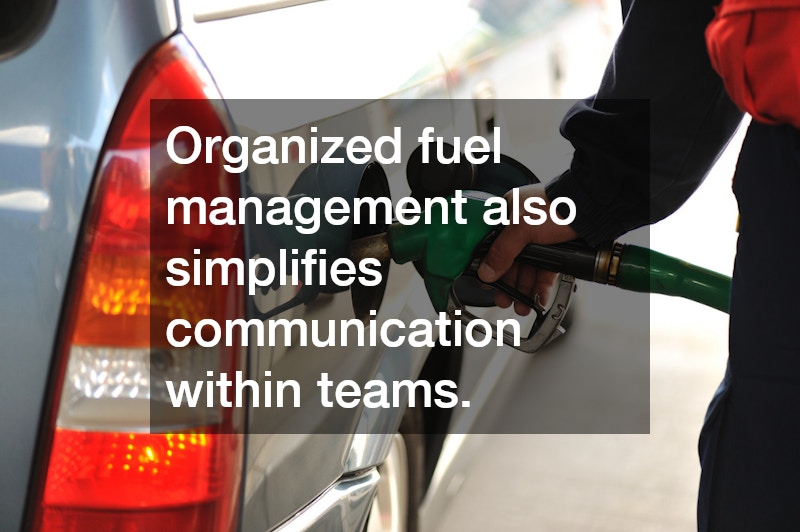
Organized fuel management also simplifies communication within teams. Employees know where and when fuel is available, reducing confusion and improving coordination. This clarity contributes to smoother operations and a more efficient workplace overall.
Improving business efficiency requires a thoughtful approach to managing essential resources, and fuel is no exception. By optimizing how fuel is sourced, stored, and used, businesses can reduce downtime, control costs, and enhance overall productivity. A more structured fueling strategy supports both day-to-day operations and long-term growth.
Partnering with a bulk fuel supplier enables businesses to streamline fuel access, improve cost predictability, and maintain consistent supply levels. These advantages contribute to smoother workflows, better planning, and increased operational reliability. In environments where time and resources are critical, having a dependable fuel solution can make a meaningful difference.
Ultimately, adopting a bulk fuel approach allows businesses to focus on what matters most—delivering results, serving customers, and growing sustainably.