
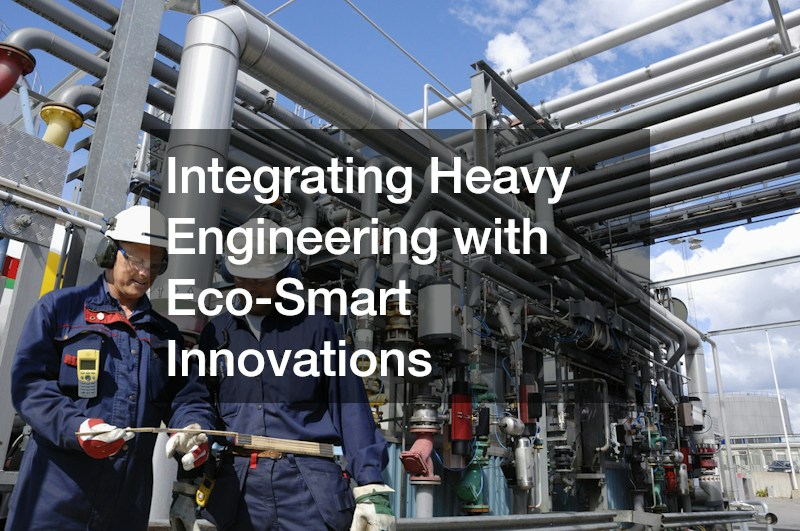
Modern industrial manufacturing stands at a transformative crossroad. For decades, heavy production facilities operated under a simple directive: maximize throughput and withstand intense operational wear, often at the expense of environmental efficiency. Today, global supply chains, tightening regulatory frameworks, and shifting energy paradigms demand a radical restructuring of plant design. The future of manufacturing lies in combining rugged mechanical engineering with intelligent, eco-friendly systems to create facilities that are both resilient and sustainable.
Achieving this balance requires an integrated approach to infrastructure, machinery, utilities, and site management. By examining how advanced metallurgy, structural design, automated material flow, and environmental monitoring work together, industrial planners can build high-performance plants prepared for the decades ahead.
Structural Integrity and Custom Fabrication Frameworks
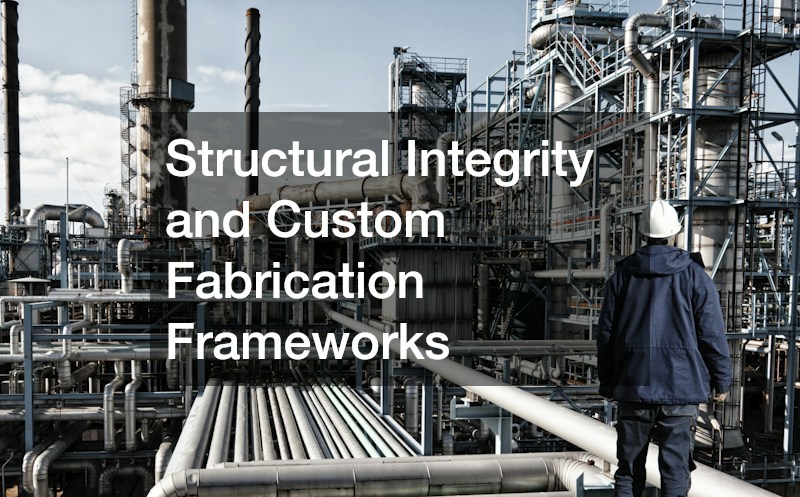
The physical foundation of any heavy manufacturing plant dictates its operational capacity, safety profile, and long-term adaptability. Constructing a facility capable of housing massive machinery and handling immense dynamic loads demands meticulous architectural planning and specialized materials. High-volume industrial operations generate constant vibrations, immense point loads, and significant thermal fluctuations that degrade standard commercial structures over time. Without an engineered structural baseline, heavy plant floors risk uneven settling, micro-cracking, and structural fatigue that can compromise sensitive equipment and disrupt critical production schedules.
Engineering teams begin by analyzing load distributions, thermal stresses, and seismic conditions to ensure the physical plant can support demanding continuous operations. A structural engineer plays a pivotal role during this conceptual phase, translating complex weight constraints and environmental factors into precise blueprints. Their expertise ensures that every column, beam, and connection meets rigorous safety standards while allowing for modular future expansions. By utilizing computational modeling and finite element analysis, engineers simulate dynamic real-world forces—such as overhead crane acceleration, heavy stamping impacts, and extreme wind pressure on high-bay roofs—long before foundation concrete is poured. This predictive approach minimizes structural vulnerabilities and optimizes raw material usage across the entire building footprint.
To realize these designs, facilities rely heavily on tailored fabrication solutions. The installation of custom structural steel provides the necessary strength-to-weight ratio needed to construct open, column-free manufacturing bays capable of accommodating large-scale assembly lines. Unlike standard off-the-shelf components, custom-molded framing allows engineers to optimize structural profiles specifically for heavy equipment installations, reducing unnecessary material usage while maximizing structural resilience. Specialized steel alloys, combined with protective anti-corrosive coatings, further shield the framework from harsh industrial chemical vapors, high ambient heat, and outdoor weathering.
These customized frameworks form the primary load-bearing skeleton for critical internal assets. By combining precise engineering calculations with high-grade fabrication, plants establish a safe, durable environment capable of supporting decades of intensive production without structural fatigue. Ultimately, investing in a robust, custom-engineered infrastructure protects capital investments, ensures uninterrupted operational throughput, and provides the spatial flexibility needed to integrate next-generation manufacturing technologies as industry demands evolve.
Overhead Lifting and Horizontal Transport Dynamics
Efficient internal logistics are the circulatory system of any manufacturing operation. Moving heavy raw materials, intermediate assemblies, and finished products across vast floor spaces requires an interconnected ecosystem of transport technologies that minimize energy consumption and eliminate bottlenecks. Without a well-planned material handling network, production lines face frequent delays, increased risk of product damage, and safety hazards caused by overcrowded transit routes.
Vertical and heavy-duty horizontal transport relies on robust overhead systems designed to lift multi-ton components across expansive work areas. Utilizing indoor bridge cranes allows facilities to maximize floor space by elevating heavy transport paths above active assembly zones. These systems facilitate the smooth movement of massive dies, raw steel plates, and major sub-assemblies across different processing stages, reducing floor-level congestion and enhancing worker safety. By leveraging programmable hoist controls and variable-frequency drives, operators can maneuver sensitive loads with millimeter precision, eliminating abrupt stops that accelerate mechanical wear.
Complementing overhead lifting systems are passive, low-energy horizontal movement solutions. For transferring lighter components between workstations, non-powered or low-powered gravity conveyors offer an exceptionally eco-smart alternative to continuous motorized belts. By leveraging natural force to move goods along sloped, low-friction roller tracks, facilities significantly reduce electrical demand while maintaining a predictable, steady workflow across the factory floor. Integrating modular roller sections allows plant managers to reconfigure transport paths rapidly as production needs evolve, preserving flexibility without requiring extensive wiring changes.
The synergy between heavy overhead lifting and passive horizontal movement creates a dual-layer transport network. This approach optimizes speed and power consumption, proving that heavy industrial throughput does not require excessive energy expenditure. Ultimately, balancing high-capacity aerial transport with low-friction ground movement reduces operational overhead, extends equipment lifespans, and maintains a seamless rhythm across the entire manufacturing floor.
Component Metallurgy and Thermal Resistance Solutions
Industrial machinery operates under extreme friction, intense physical impact, and high thermal stress. To prevent frequent component failures and reduce the environmental footprint associated with manufacturing replacement parts, advanced surface-treatment techniques are applied to critical mechanical assets.
Extending the operational lifespan of machine parts is a primary goal of modern industrial metallurgy. Applying targeted surface heat treatments such as flame hardening allows manufacturers to selectively harden high-wear areas—such as gear teeth, crane wheels, and drive shafts—while maintaining a tough, ductile core. This process significantly increases resistance to abrasion and surface fatigue, extending component longevity by years and minimizing operational downtime.
Enhancing component durability directly supports sustainability goals. Longer-lasting machine elements mean fewer raw materials are consumed over time for maintenance, fewer discarded parts enter waste streams, and energy lost to mechanical wear is reduced. When machinery operates cleanly with minimal internal friction and surface degradation, overall energy consumption drops, contributing to a leaner, greener production facility.
Utility Systems and Industrial Pressure Optimization

Heavy industrial processes depend on continuous utility feeds to power machinery, heat facilities, and run pneumatic systems. Modernizing these support networks is critical for eliminating hidden energy waste and lowering operational emissions.
Pneumatic tools, automated actuators, and control systems rely on compressed air as a primary power source. Maintaining optimal pressure levels and air quality across miles of internal piping requires specialized oversight. Utilizing a comprehensive industrial compressed air service ensures that compressor systems operate at peak energy efficiency, air leaks are proactively detected, and moisture contamination is prevented. By optimizing air pressure cycles and eliminating waste, facilities can reduce one of the largest electric utility expenses in industrial operations.
Thermal utility systems also require intelligent management. While many plants are transitioning toward electrified and alternative power systems, central thermal management during peak winter periods or in off-grid zones often relies on legacy fuel storage and distribution networks. Partnering with reputable heating oil companies ensures reliable supply chains, precise fuel delivery, and access to cleaner-burning fuel blends that minimize sulfur and particulate emissions during critical heating cycles. Modern fuel management systems closely track consumption patterns, optimizing fuel burn and integrating seamlessly with secondary heat-recovery systems to capture and reuse waste energy.
Environmental Containment and Real-Time Hazards Mitigation
Modern eco-smart manufacturing places severe focus on environmental stewardship and workplace safety. Handling volatile chemicals, industrial solvents, and process byproducts requires real-time oversight to prevent environmental contamination and protect worker health. Beyond mere compliance, modern industrial hubs are increasingly recognizing that operational resilience relies heavily on early detection mechanisms. Standard manual testing routines and periodic site inspections, while valuable, leave vast temporal gaps where hazardous conditions can develop undetected.
Installing an integrated local chemical monitoring system provides continuous surveillance of ambient air quality, liquid effluent streams, and volatile organic compound levels near processing units. These automated arrays utilize advanced sensors to detect micro-leaks, unexpected pressure drops, or chemical imbalances long before they escalate into dangerous hazards. Equipped with electrochemical sensors, photoionization detectors, and optical spectroscopy modules, these networks continuously log baseline data across all critical operational zones. By immediately alerting plant operators to leaks or containment breaches through centralized control dashboards and automated mobile alerts, the system allows for swift intervention, preventing regulatory violations and protecting nearby ecosystems from hazardous exposure. Furthermore, mapping these micro-fluctuations over time enables predictive maintenance teams to identify failing gaskets, deteriorating pipe walls, or compromised seals before an actual breach occurs.
This proactive approach to chemical containment integrates directly with facility-wide environmental management frameworks. Combining continuous monitoring with automated isolation valves and containment basins ensures that process fluids remain strictly within closed-loop systems, allowing facilities to maintain compliance with stringent local and federal environmental standards. Ultimately, embedding intelligent, localized chemical detection into the operational architecture transforms passive safety protocols into a dynamic, data-driven defense. It safeguards human life, protects capital assets, minimizes raw material waste, and reinforces corporate commitments to sustainable, low-impact manufacturing in an era of heightened ecological accountability.
Off-Site Modular Expansion and Auxiliary Structures
As manufacturing facilities expand or reconfigure their operational layouts, traditional on-site construction methods can cause significant operational downtime, increased carbon emissions, and excessive waste generation. Off-site modular construction offers an eco-friendly, fast-track alternative for building auxiliary structures.
Deploying prefabricated units through kiosks module construction allows plants to rapidly install specialized enclosures—such as administrative hubs, operator control rooms, quality control testing pods, and security checkpoints—without interrupting core assembly lines. These modular units are fabricated in controlled environments using sustainable materials, precise insulation standards, and energy-efficient climate controls, drastically reducing material waste compared to conventional build-outs.
Once delivered to the plant site, these pre-engineered structures can be wired, plumbed, and integrated into central operational monitoring grids within days. Their modular nature also allows them to be relocated or reconfigured as internal production layouts evolve, providing flexible, scalable space solutions that support dynamic factory growth while minimizing long-term environmental impact.
Site Restoration and Land Stabilization Frameworks

The ecological footprint of a manufacturing facility extends far beyond the physical walls of the main production building. Industrial site development, continuous logistics traffic, and heavy civil grading often severely impact surrounding soil integrity, natural drainage patterns, and local vegetation ecosystems. Unprotected land cleared for facility expansion quickly becomes vulnerable to severe soil erosion, compaction, and nutrient depletion, requiring effective, long-term land remediation and erosion control measures to restore site stability.
Establishing stable, deep-rooted ground cover around plant perimeters, retention ponds, drainage swales, and disturbed soil slopes is essential for managing heavy storm runoff, preventing mudslides, and eliminating sediment pollution in regional waterways. Implementing hydroseeding techniques provides an extraordinarily rapid, cost-effective method for establishing resilient vegetative cover across expansive or uneven terrain that traditional sodding or manual dry seeding cannot efficiently address. By spraying a specialized, slurry-based mixture of native seeds, organic mulch, eco-friendly tackifiers, moisture-retaining polymers, and soil conditioners directly onto exposed soil, site managers can dramatically accelerate seed germination. This continuous slurry coating seals the ground surface upon contact, immediately stabilizing steep embankments and hillsides against heavy rain washouts, strong wind erosion, and topsoil migration.
Furthermore, incorporating tailored seed blends—such as deep-rooting native grasses and perennial legumes—builds a self-sustaining ecological shield around the industrial complex. These deep root networks bind fragmented soil particles together, improving earth permeability so heavy rainwater infiltrates the water table naturally rather than creating destructive surface runoff. As the vegetation matures, it naturally restores beneficial microbial activity in soil that was previously compacted or stripped during heavy facility construction.
Sustainably managed grounds directly complement the internal environmental and energy-efficiency efforts of the manufacturing plant. Dense, healthy ground cover acts as a natural biological filter, trapping airborne dust particulates generated by heavy trucking and logistics traffic before they enter delicate machinery air intakes or surrounding neighborhoods. Additionally, widespread vegetative coverage mitigates the industrial heat island effect by absorbing solar radiation and transpired moisture, noticeably lowering ambient summer temperatures around the facility perimeter. This localized cooling reduces thermal stress on building structures and cooling systems, lowering HVAC energy loads. By combining robust, scientifically planned site stabilization practices with advanced internal environmental controls, modern industrial facilities can effectively minimize their overall ecological footprint, fulfill strict regulatory compliance mandates, and foster a healthier coexistence with surrounding natural ecosystems.
Harmonizing Heavy Industry and Sustainability
The future of industrial manufacturing depends on successfully merging heavy structural engineering with intelligent, eco-friendly systems. Far from being mutually exclusive, rugged mechanical strength and environmental sustainability enhance one another when integrated thoughtfully.
By combining durable structural frameworks, energy-efficient internal transport, advanced surface treatments, optimized utilities, real-time chemical tracking, modular architecture, and ecological land management, modern plants can achieve unprecedented operational efficiency. This holistic approach ensures that facilities operate with maximum productivity, lower operational costs, and minimal impact on the environment, paving the way for a cleaner, more resilient industrial future.
